
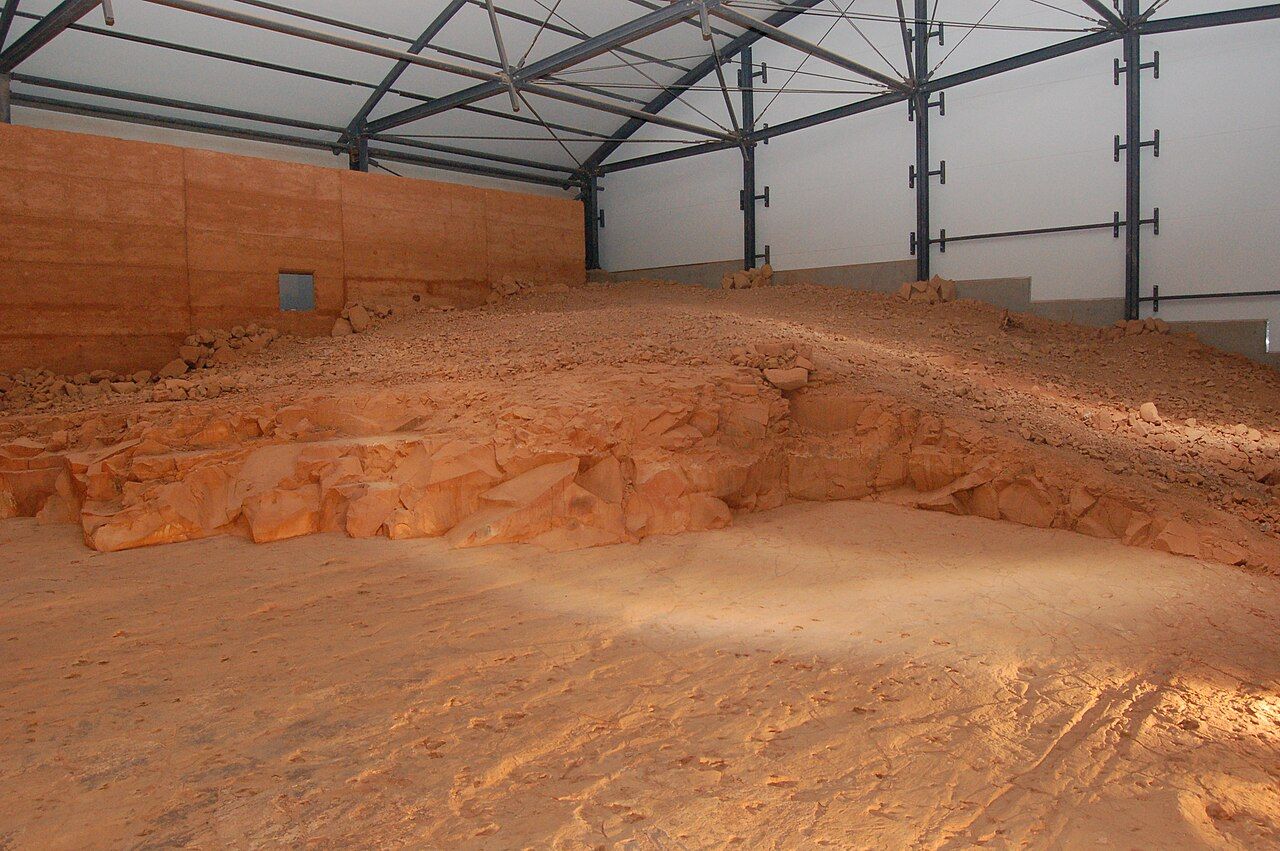
In central west Queensland, in the rocky hills southwest of the outback town of Winton, a low modern building sits alone on a ridge. Inside lies one of the most remarkable dinosaur sites in the world: a surface of rock covered in thousands of footprints, left by a crowd of small dinosaurs on a muddy shore about 95 million years ago. The site is protected as the Dinosaur Stampede National Monument at Lark Quarry.
It is a long drive to get here, and the building itself is modest. What you see inside is a frozen moment of time, and one of the most debated tracksites anywhere.
The footprints
The trackway was found by local people in the 1960s and excavated in the 1970s by scientists from the state museum. Once the overlying rock was removed, the team found more than three thousand footprints. Most are small, three-toed and only a few centimetres long. A smaller number are much larger, made by a far bigger animal.
Inside the building, a raised walkway runs around the edge of the rock surface. Low lighting brings out the prints. At first they look like random pockmarks; give your eyes a few minutes and you start to see the shape of each toe, and rows of tracks running in the same direction.
The stampede debate
The first scientific description in the 1980s told a dramatic story. Small dinosaurs, both meat-eaters and plant-eaters, were gathered at the edge of a lake. A large meat-eating dinosaur approached, and the small ones fled in panic across the mud. That is where the name stampede comes from, and it is the story told in many books.
Later research has questioned it. In 2011 a new study argued that the large tracks were not made by a meat-eater at all, but by a big plant-eating dinosaur. Other researchers have suggested that many of the small tracks were made by animals swimming or wading in shallow water, touching the bottom with their toes, rather than running. Some scientists still support a version of the original story.
The fair summary is that the debate is not settled. What is clear is that many small dinosaurs crossed this surface in a short time, and that a much larger animal walked through too. The site is a good lesson in how scientists read tracks: they measure, compare and argue, and the story can change as methods improve. The riverbed tracks at Dinosaur Valley in Texas and the footprints at Dinosaur Ridge raise similar questions.
Visiting the trackway
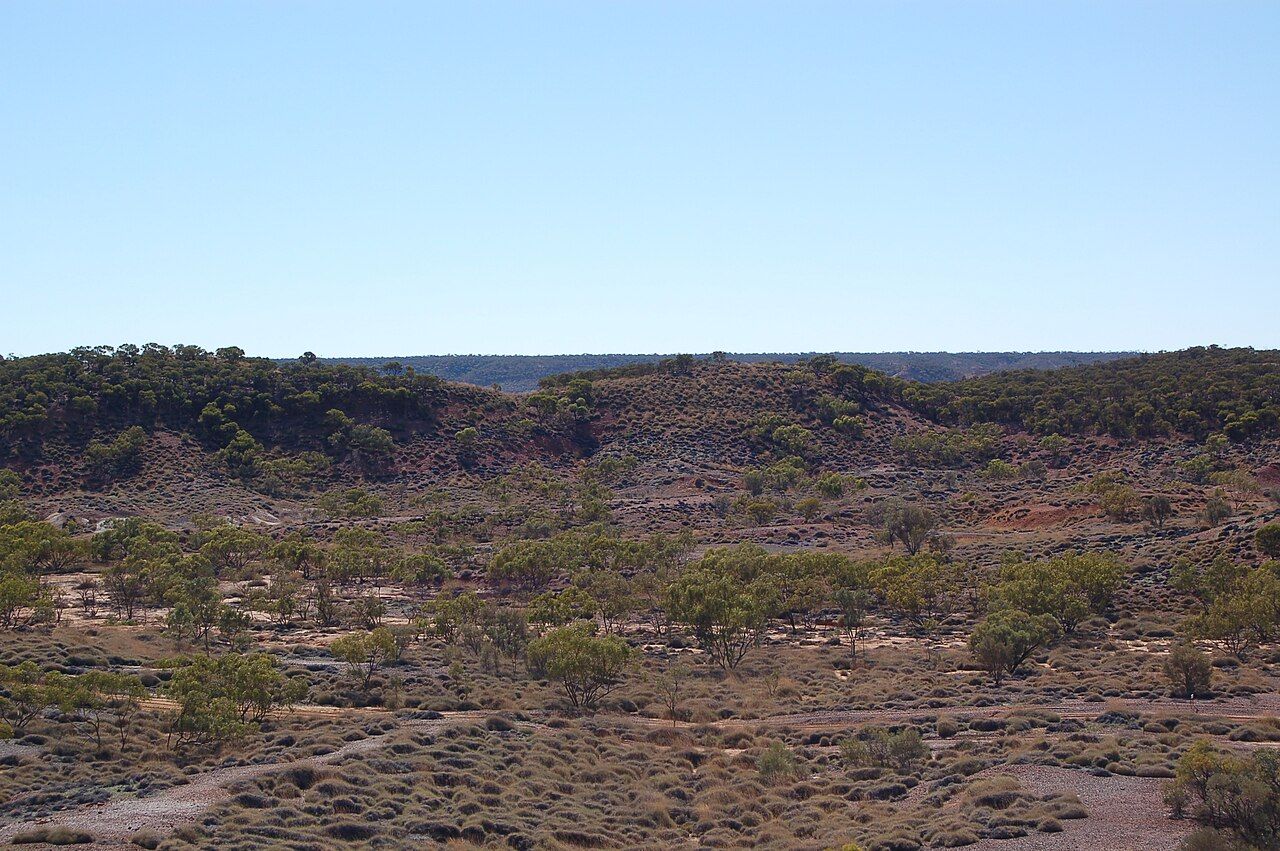
Visits inside the building are usually by guided tour at set times. Tour times, fees and opening arrangements change, so check before you go, and allow for the drive. Outside, short walks lead to lookouts over the hills, which give you a sense of how much the landscape has changed since the tracks were made beside a lake.
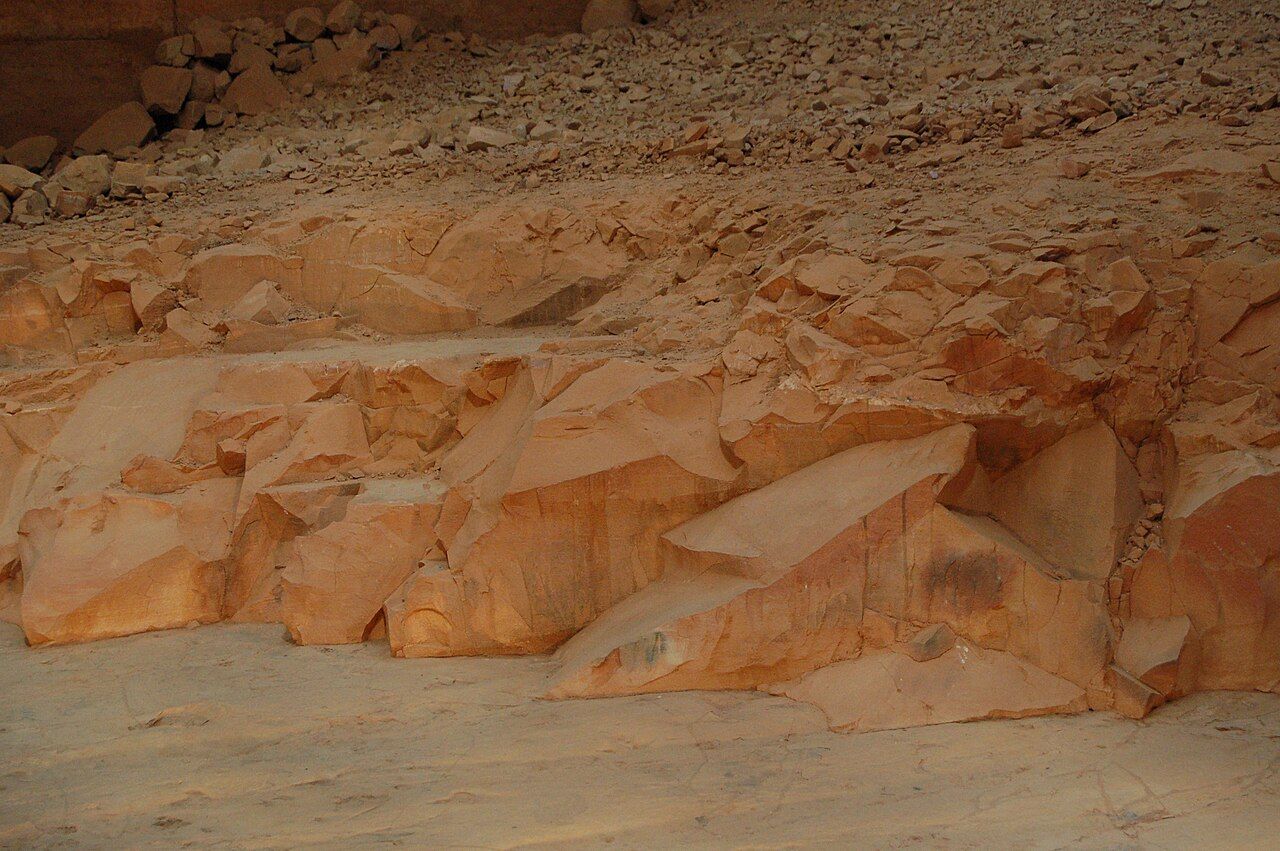
Look for the overburden too. The guides usually point out the layers of rock that once covered the tracks, now left in broken blocks along one side of the building. They show how thick a blanket of sediment settled over the footprints soon after they were made, sealing the mud before the next flood could wipe it smooth. Without that quick burial, nothing would be left to see.
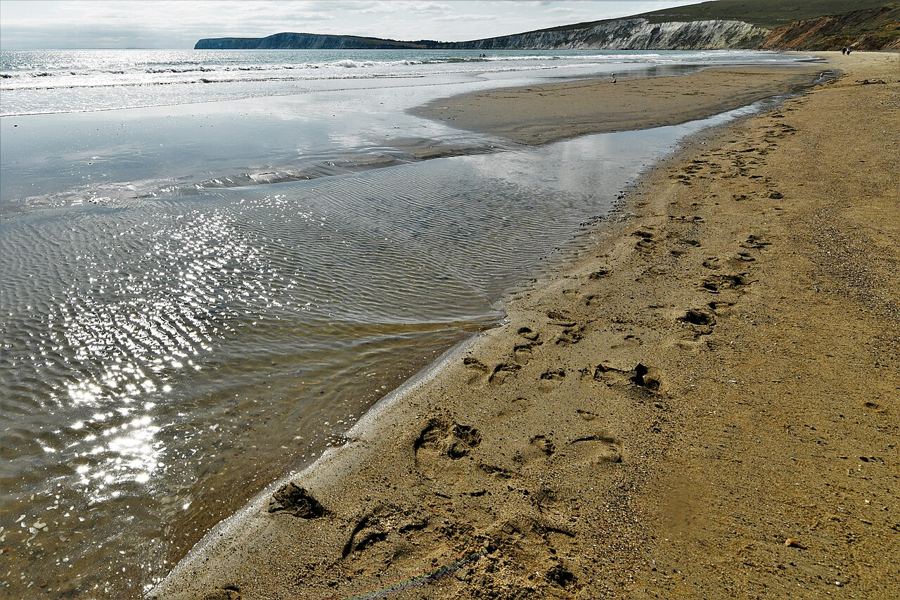 Another trek · AbroadThe dinosaur coast of the Isle of Wight
Never step onto the trackway or touch the prints. The building exists because the rock surface began to erode quickly once it was exposed to sun, rain and visitors.
Outback driving
Lark Quarry is roughly a hundred kilometres southwest of Winton. Roads can be unsealed in parts, and rain can close them. Before you go:
- Check road conditions locally, especially in the wet season.
- Fill your fuel tank in Winton; there is no fuel at the site.
- Carry plenty of water, food and a spare tyre.
- Watch for kangaroos, cattle and wandering stock, especially at dawn and dusk, and give long road trains plenty of room.
- Tell someone your plans if you are travelling alone.
Summer in this region is very hot, and the wet season can bring storms and closed roads. The cooler, drier months from about April to September are the most comfortable.
Winton's dinosaur museums
Winton has become a centre of Australian dinosaur science. On a mesa outside town, a natural history museum displays and prepares bones from the region, including the long-necked sauropods and a meat-eating dinosaur found on nearby cattle stations, and visitors can watch preparation work. In town, the local cultural centre covers the history of the region.
Check opening times and tour arrangements for each before you go; most offer guided visits at set times, and the trip from town to the mesa is a short drive. A visit to a museum before the trackway makes the footprints far easier to read.
The wider picture
Australia's dinosaur record is thinner than North America's, which makes each find more important. Lark Quarry, with its sheer number of tracks, is unique in the country. Combine it with the museums of Winton, and you can see the full chain from bone in the ground to skeleton on display.
Fossils in Queensland's protected areas may not be collected. The wider rules, at home and abroad, are covered in finding fossils without breaking the rules. Out here, the best souvenir is a photograph of the prints and a clear memory of the long red road that led to them.
The photographs on this trek were shared under open licences; their photographers are named in Who shot the bones.