
Finding a fossil is one of the best moments in any trip to dinosaur country. Holding something that was alive tens of millions of years ago is thrilling, and it is natural to want to take it home. Sometimes you can. Often you cannot. The rules depend on who owns the land, what kind of fossil it is, and which country you are in.
This guide gives the general picture. Rules change, and local rules always come first, so check with the land manager, park or local museum before you collect anything.
Why the rules exist
A fossil is not only an object. It is also information. Where it lay, which layer of rock it came from, what was found next to it: all of this helps scientists read its story. Take a bone out of the ground without recording that information and much of its value is lost for good.
Some fossils are also rare. A single dinosaur tooth may be the only evidence of a species in a region. Rules are designed to make sure that such fossils end up where they can be studied and seen by everyone, rather than on a private shelf. The story of Sue at the Field Museum shows how complicated fossil ownership can become.
United States: federal land and parks
A large share of the American West is public land, managed by federal agencies. On that land, vertebrate fossils are protected by law. That means dinosaur bones, teeth, tracks and the remains of other animals with backbones. They may be collected only by qualified researchers with a permit, and the fossils must go to a public museum or similar institution. Visitors may not take them.
On some federal land managed for multiple uses, the rules allow casual collection of common invertebrate fossils, such as shells, and fossil plants in small amounts for personal use, without tools that disturb the ground much. Petrified wood has its own limits. Those rules are specific and vary by agency, so check with the local office before you collect.
In national parks and national monuments run by the park service, collecting is forbidden altogether. That includes Petrified Forest, where taking even a chip of wood is against the rules, and Dinosaur National Monument. State parks generally ban collecting too.
On private land, fossils belong to the landowner, and you need permission to look, let alone collect. Tribal lands have their own laws and permit systems.
Canada and other countries
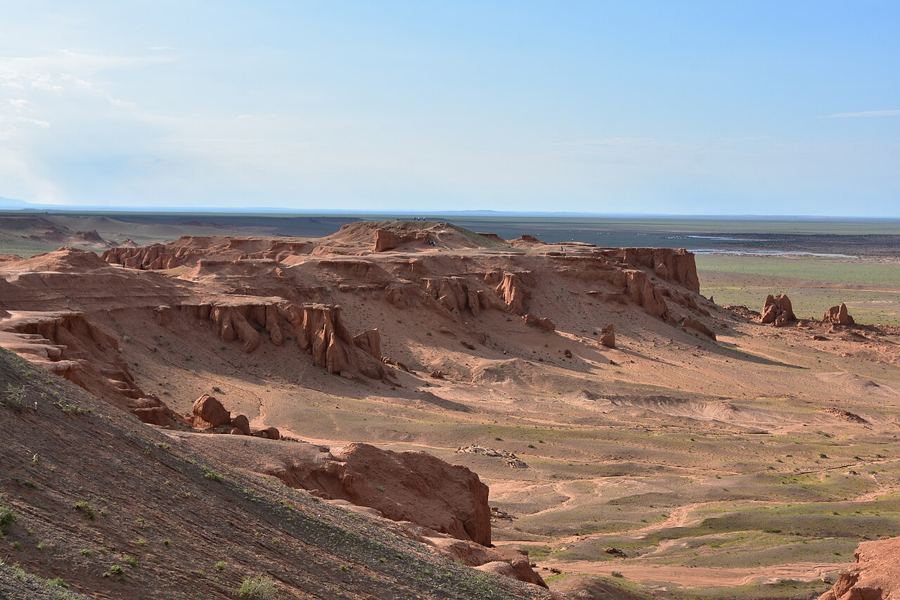 Another trek · AbroadThe Flaming Cliffs of the Gobi
In Alberta, fossils belong to the province. Collecting in provincial parks such as Dinosaur Provincial Park is forbidden, and digging for fossils anywhere requires a permit. Many other countries, including Argentina and Mongolia, protect fossils by law and forbid their export. Buying fossils abroad can be illegal if they were taken without permission. When you travel, assume that fossils must stay where they are unless you are told otherwise by a park or museum.
United Kingdom: beach codes
The UK does not have one national fossil law in the way the United States does. Rules depend on who owns the land and whether the site is protected for its geology or wildlife. On many popular coasts, local fossil codes set out what is expected.
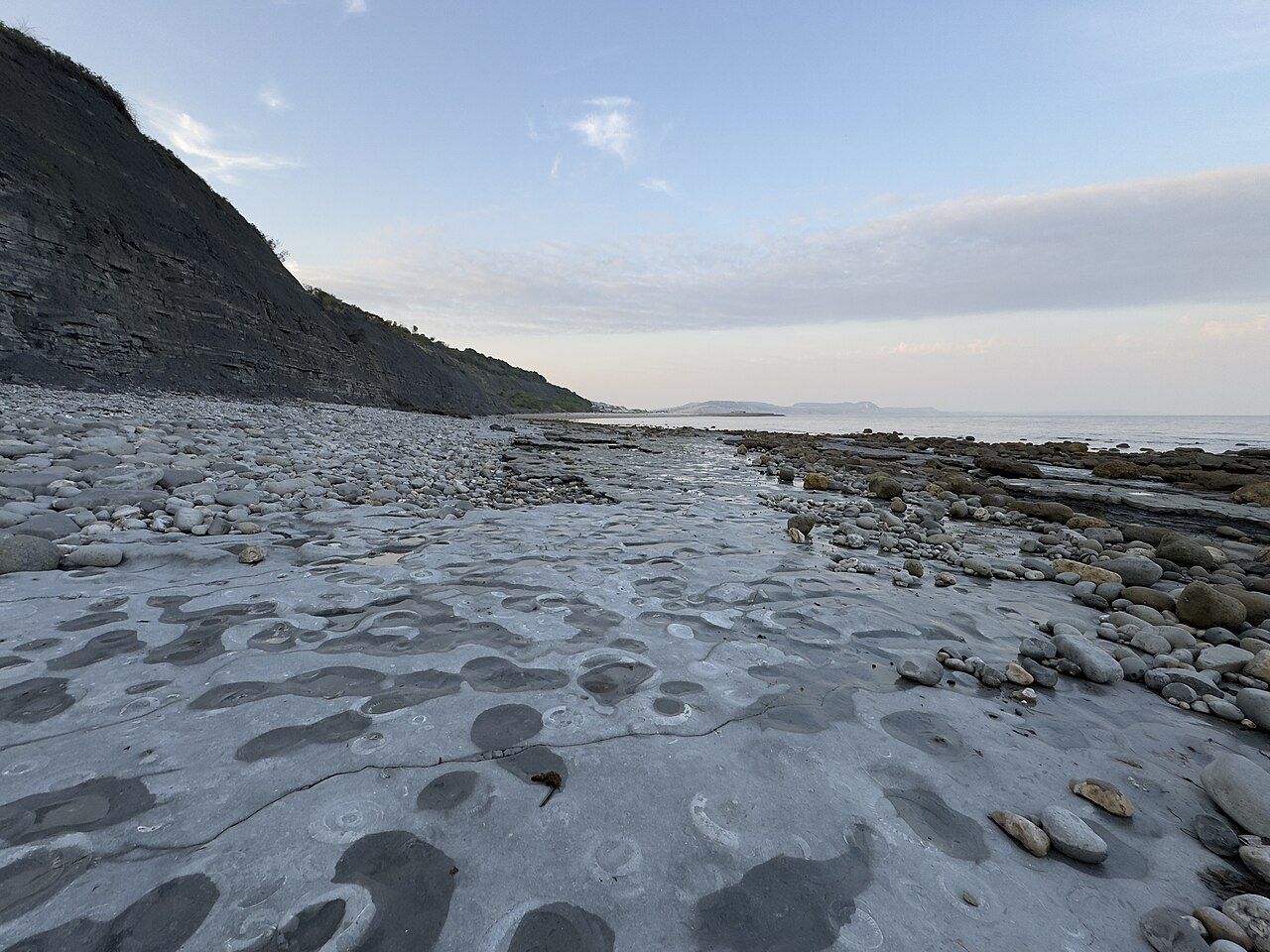
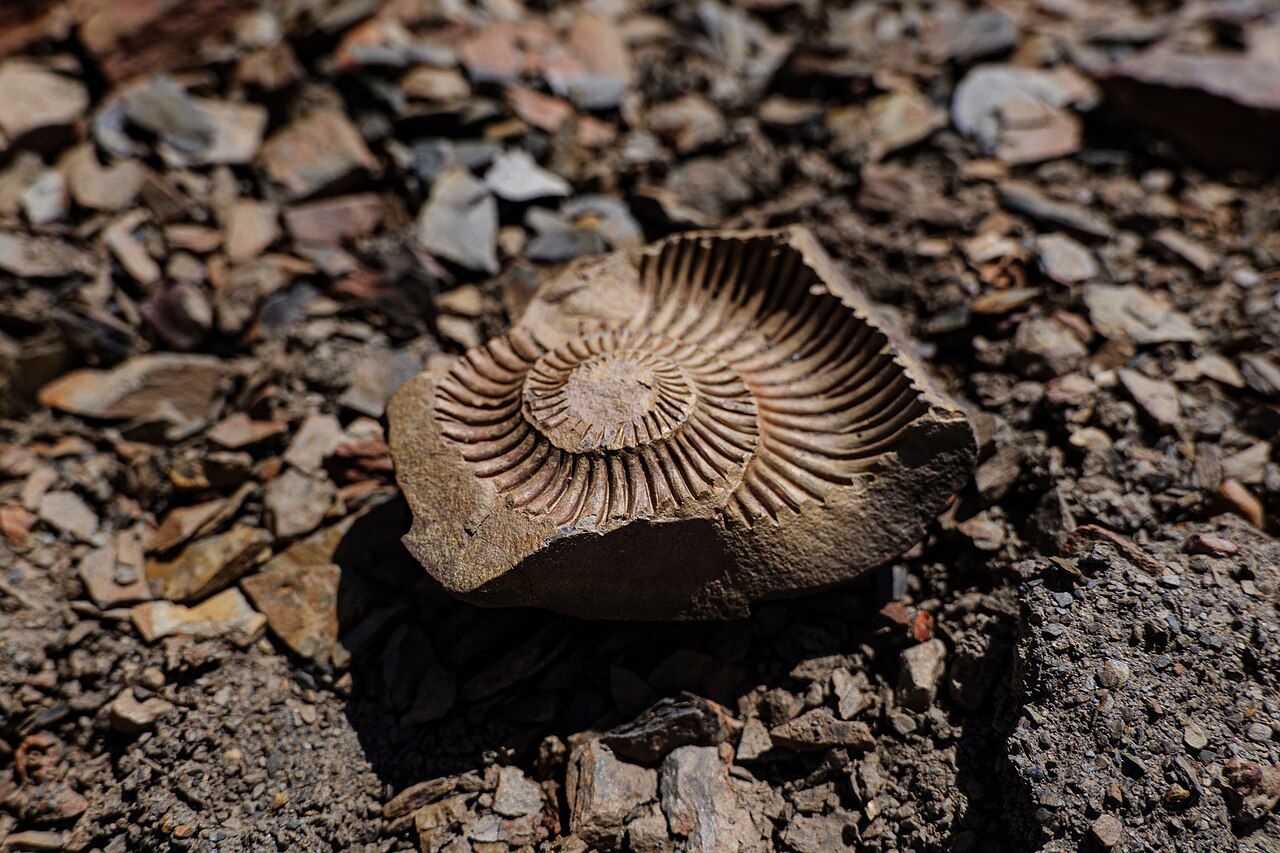
On England's Jurassic Coast, the stretch around Charmouth and Lyme Regis has a well-known collecting code. In general terms it allows you to collect loose fossils from the beach, but asks you not to dig into or hammer the cliffs, to take only what you need, and to record any find of scientific importance with the local heritage centre. Similar thinking applies on the Isle of Wight, where dinosaur footprints on the shore must be left in place.
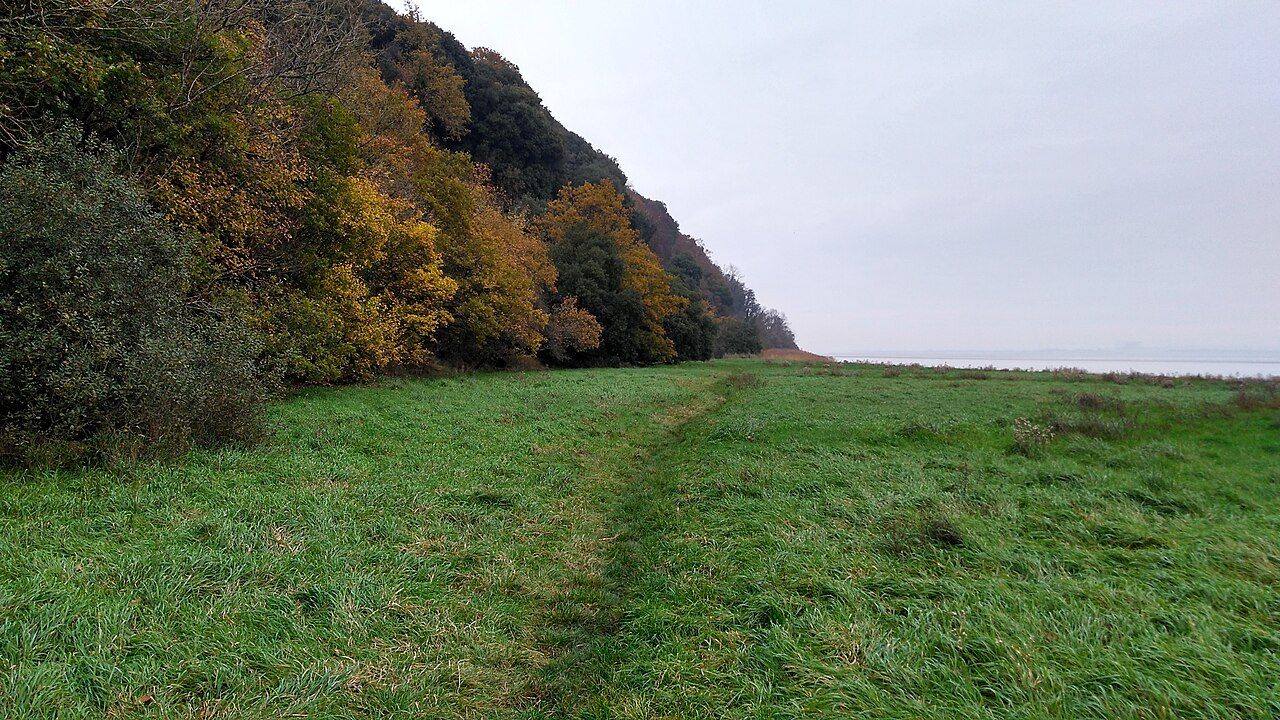
Beach codes work because the sea destroys fossils quickly. A fossil left on the shore will be broken up within days or weeks. Collecting it saves it, as long as important finds reach scientists.
How to report a find
Suppose you spot a bone sticking out of a hillside, or a footprint on a rock ledge. Here is what to do:
- Leave it where it is. Do not dig it out or move it.
- Take photographs from several angles, with something for scale, such as a coin, a pen or your boot.
- Record the location as precisely as you can, using a phone or a map.
- Tell the land manager: the federal field office, the park ranger, the landowner, or a local museum.
Many important finds have been made by members of the public who did exactly this. Scientists rely on sharp-eyed walkers, ranchers and families on holiday.
Museum-run public digs
If you want to dig, and not just look, some museums and universities run public field programs. Under supervision, visitors help excavate at active sites on land where the museum holds permits. Finds go into the museum's collection, not home with participants. Programs vary in length, cost and age limits, so check details with the museum directly.
These programs are the legal and ethical way to dig for dinosaurs. They also teach you how slow, careful and patient real fieldwork is.
Good fossil manners
- Stay on paths where they exist, and do not damage plants or rock faces.
- Keep away from unstable cliffs and watch the tides on coasts.
- Do not buy fossils unless you know where they came from and that they were collected legally.
- Teach children to photograph and draw what they find.
The best fossil trip ends with photographs, a notebook full of sketches and sometimes a small ammonite from a beach where collecting is allowed. Leave the rest for the next visitor and for science.
The photographs on this trek were shared under open licences; their photographers are named in Who shot the bones.