
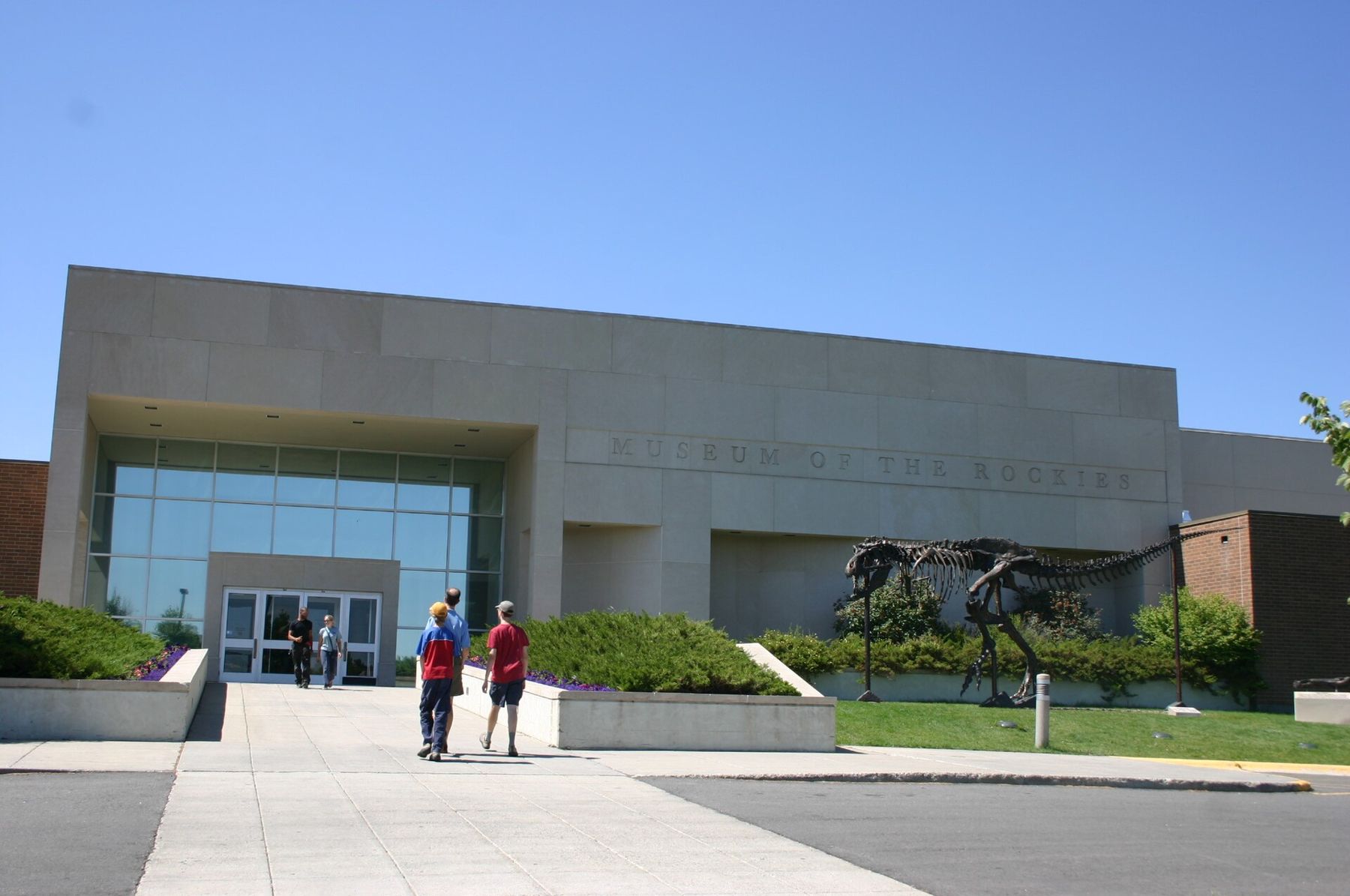
Montana is one of the richest dinosaur states in the country, and the Museum of the Rockies in Bozeman is where much of that wealth ends up on display. Part of Montana State University, the museum combines a working research collection with public galleries, and its dinosaur halls are among the best places anywhere to see how dinosaurs grew up.
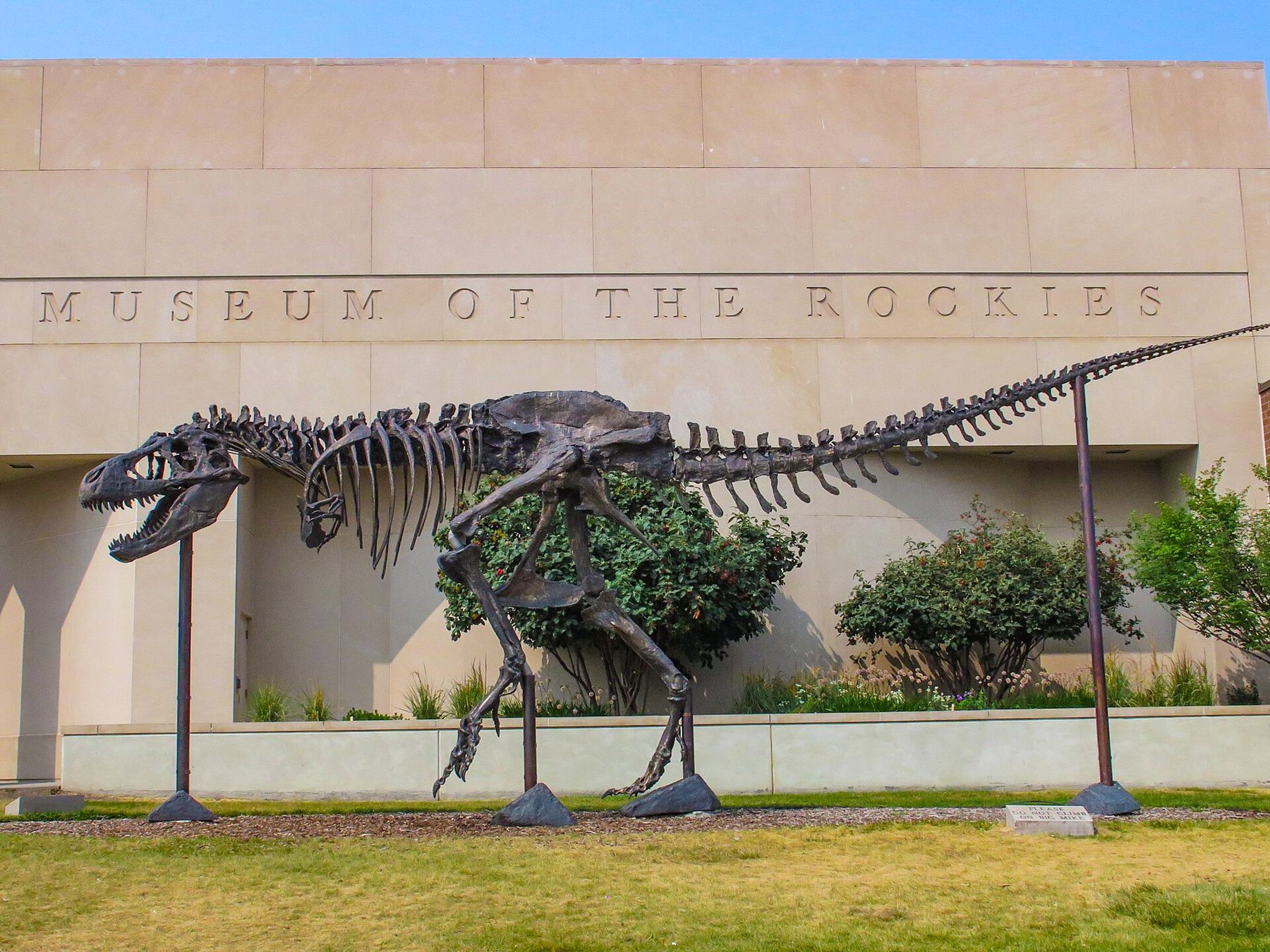
Outside the front doors a full-size cast of a Tyrannosaurus rex skeleton strides across the lawn, the first thing most children run toward. Inside, the Siebel Dinosaur Complex fills a large wing with skeletons, skulls, eggs and the stories of the people who found them.
Why the museum matters
For decades the museum has sent field crews into the badlands of Montana, and many specimens on show were found by its own researchers and volunteers. That gives the halls a sense of place you do not always get in older museums. Labels tell you which county a skull came from, and often which rock formation, so a visit works as a map of Montana's buried past.
Bozeman's setting helps tell the story. The mountain ranges around the Gallatin Valley expose rocks far older than any dinosaur, while the plains a few hours to the east hold some of the youngest dinosaur-bearing rock on the continent. The museum sits between the two, and its galleries move from deep time to the arrival of people in the region, so you leave with a sense of how much happened on this ground before anyone was here to see it.
The museum is also known for research on dinosaur growth and behavior. Work led from Bozeman on nesting grounds in the north of the state, where the duck-billed dinosaur Maiasaura laid its eggs, helped change the old picture of dinosaurs as cold, solitary creatures. Maiasaura means "good mother lizard", and the nests, eggs and young found together suggested parents that looked after their hatchlings.
The T. rex and the growth series
The halls hold several Tyrannosaurus rex specimens, from big skulls to partial skeletons, and they let you see something many museums cannot: the same species at different ages. Young tyrannosaurs were long-legged and lightly built. Adults were massive, with deep skulls and thick, bone-crushing teeth. Seeing them side by side shows how much one animal changed as it grew.
The same approach shows up with Triceratops. A run of skulls arranged from small to large shows the horns changing direction and the frill changing shape as the animal aged. Researchers have long argued over whether some horned skulls belong to separate species or to growth stages of the same ones, and this collection sits at the center of that debate. It is one of the clearest lessons in the building, and children grasp it quickly.
Finds from the region
Much of what you see came from the Hell Creek rocks of eastern Montana and from older formations in the center and north of the state. Some of the region's most famous finds have traveled far. A T. rex skeleton found near Fort Peck Lake in 1988 and excavated by the museum now stands in Washington as the centerpiece of the Smithsonian's fossil hall.
If the museum leaves you wanting the landscape itself, eastern Montana is a long drive away but worth it. Hell Creek country around Jordan is where the first T. rex was found, and the state's dinosaur trail links a string of small museums and parks across the plains, from Fort Peck to Glendive. 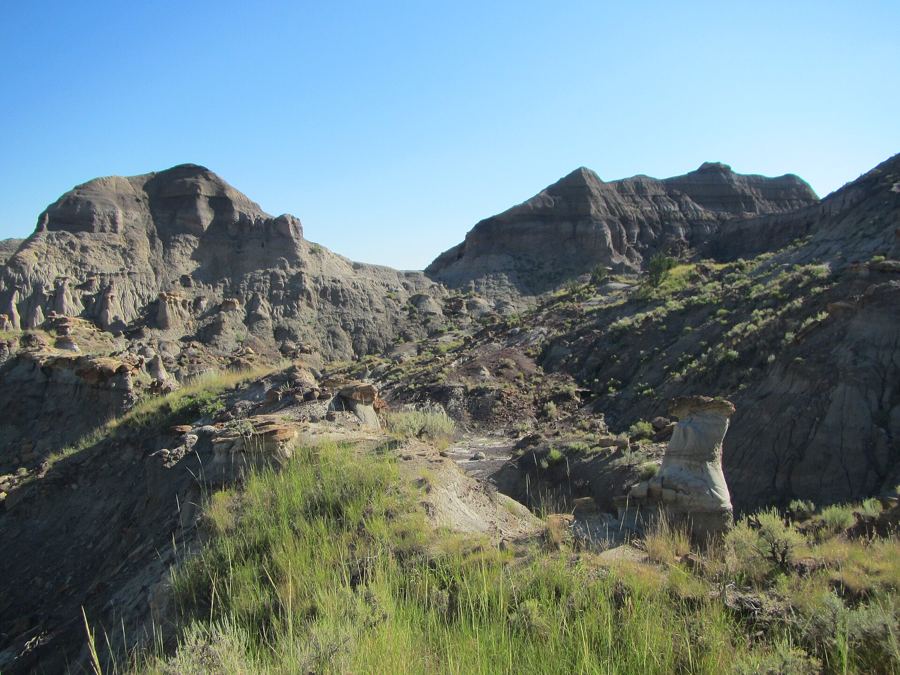 Another trek · Northern RockiesMakoshika State Park's badlands
Beyond the dinosaurs
The museum covers more than fossils. There is a planetarium with regular shows, galleries on the peoples and history of the northern Rockies, and changing exhibitions on subjects from science to art. In summer, a living-history homestead on the grounds shows farm life in the Gallatin Valley in the late 1800s. Check what is open before you go, since seasonal parts close in the colder months.
The museum's research and teaching role means the collections behind the scenes are far larger than what is on show. Exhibits change from time to time as new specimens are prepared and studied, so a return visit a few years later may show you something new.
Planning a visit
Bozeman sits in the Gallatin Valley in southwest Montana, with an airport nearby and Interstate 90 running through town. The museum is on the south side of the Montana State University campus, with parking on site. Allow at least half a day; dinosaur fans can easily spend longer. Entry is charged, and hours vary by season, so check before you go.
The dinosaur halls suit all ages. Younger children like the big skeletons and the eggs; older children and adults get more from the labels about how scientists read bones, measure growth and date rocks. Weekday mornings outside school holidays are usually quietest. Bozeman is also a common gateway to Yellowstone National Park, so many visitors combine the two in one trip.
What to look for
- The growth series: pick one species and follow it from the smallest skull to the largest.
- Eggs and nests: look at how eggs were arranged, and ask what that says about the parents.
- Labels with place names: note the counties, then find them on a map of Montana.
- Teeth: compare the blades of meat-eaters with the grinding batteries of duck-bills.
- Bone surfaces: scars, breaks and healed injuries tell stories about real lives.
Before a road trip into the field, read up on the rules for finding fossils. The museum shows what careful collecting, done with permission and permits, can reveal.
The photographs on this trek were shared under open licences; their photographers are named in Who shot the bones.